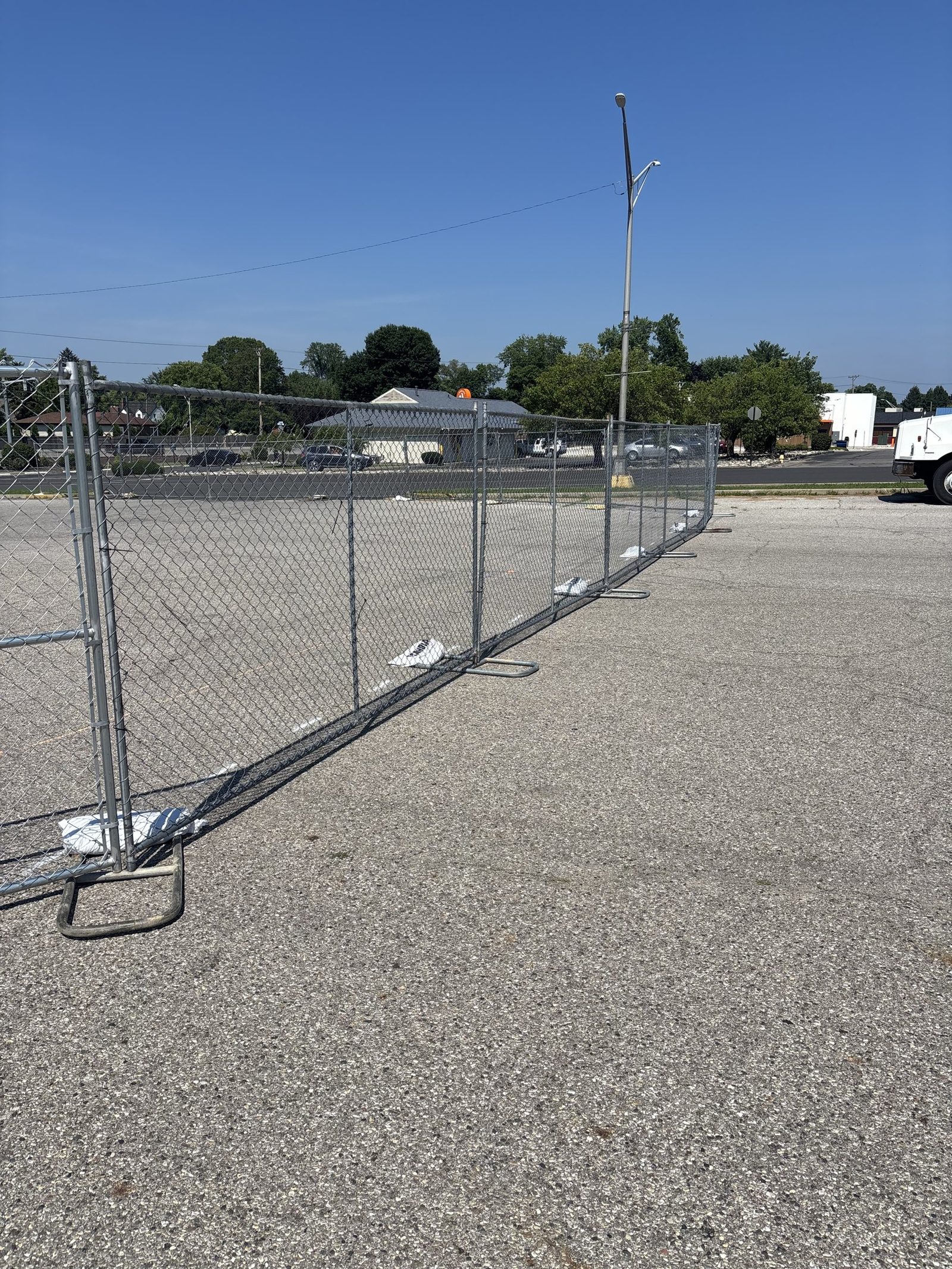
Construction sites that keep changing
Groundwork moves faster than a site plan does. Panels let a superintendent open a new access point in the morning and close it again in the afternoon.
Fence types
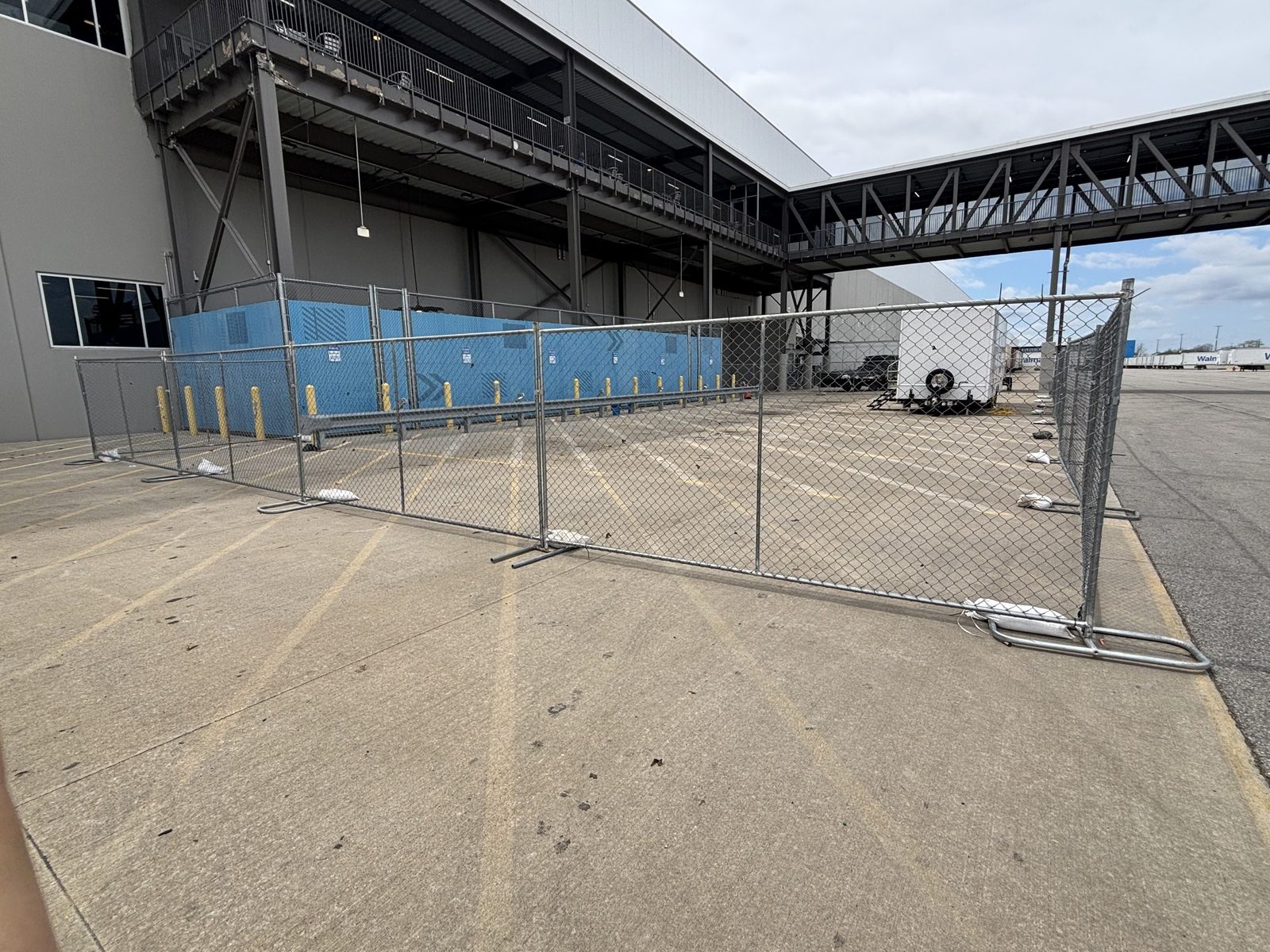
The portable run. Fast to set, easy for your own crew to shift, and the fence most jobs start with.
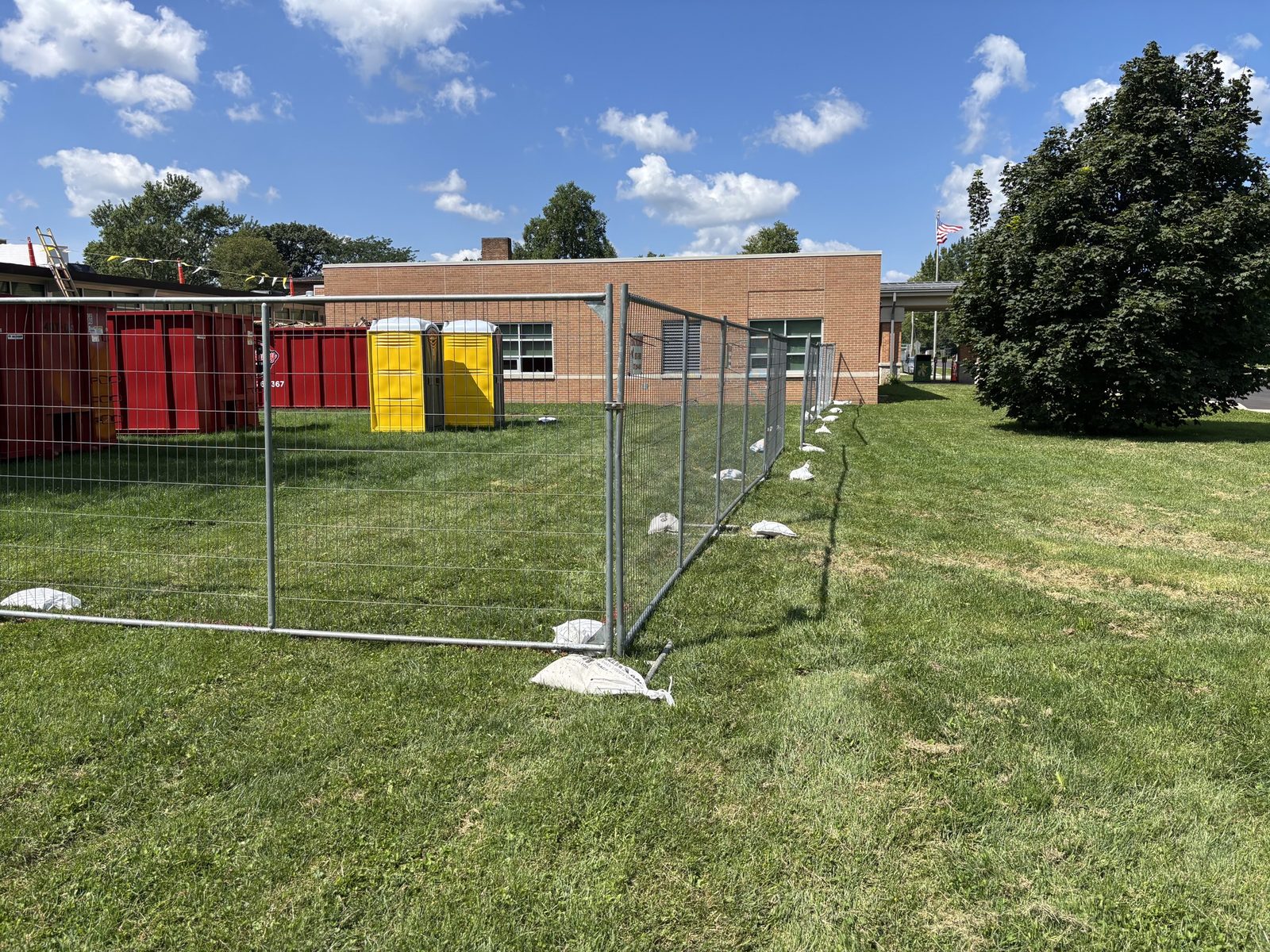
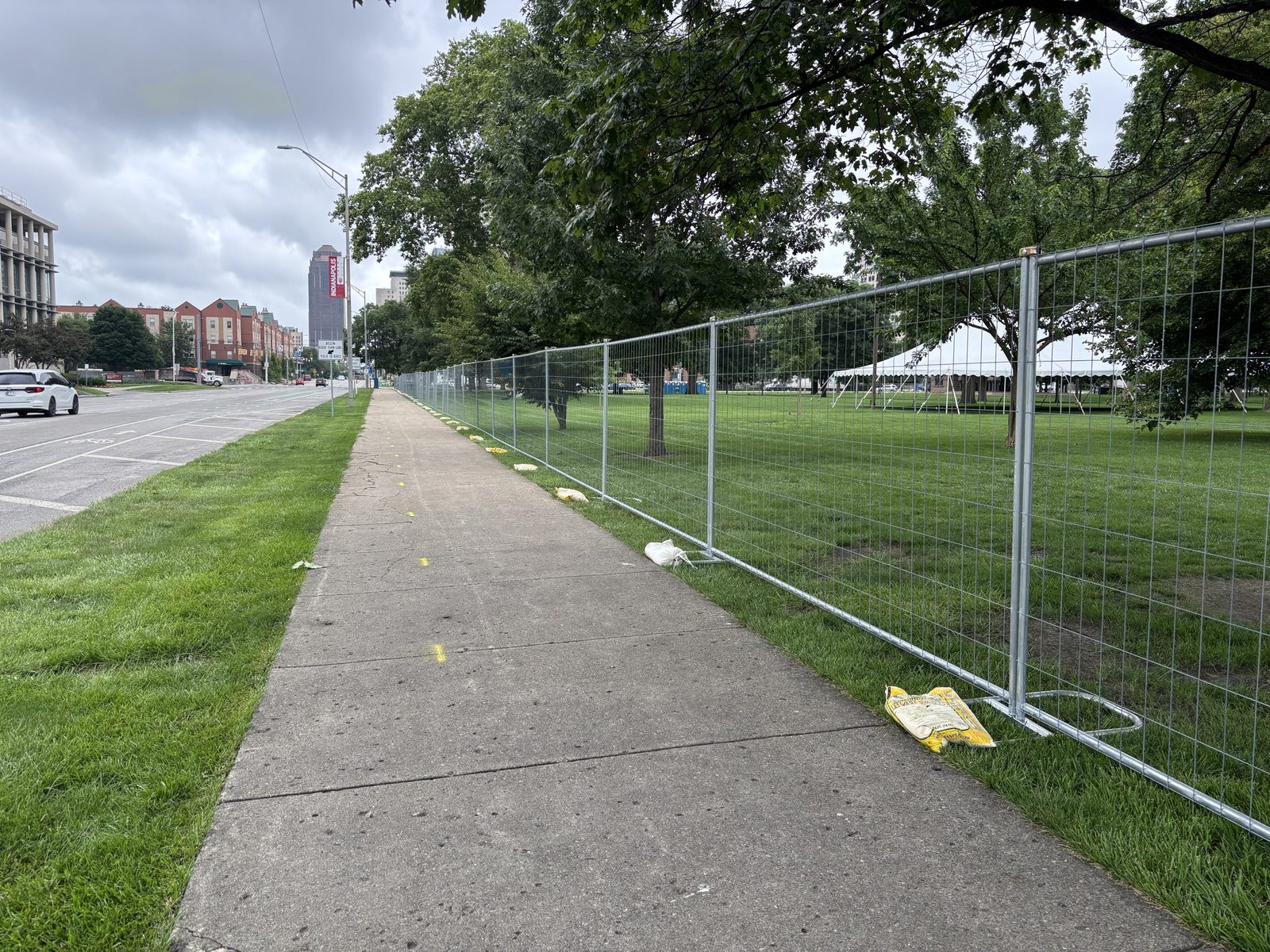
Temporary fence panels sit in sandbagged stands rather than in the ground.
That means a run can be installed in a fraction of the time a driven fence takes, and moved by two people when the site plan changes. It's our bread and butter, and it's the right answer for most construction sites, most events and almost every emergency call.
The specification
What it is, what it's for, and the job it's the wrong answer to.
Where it fits
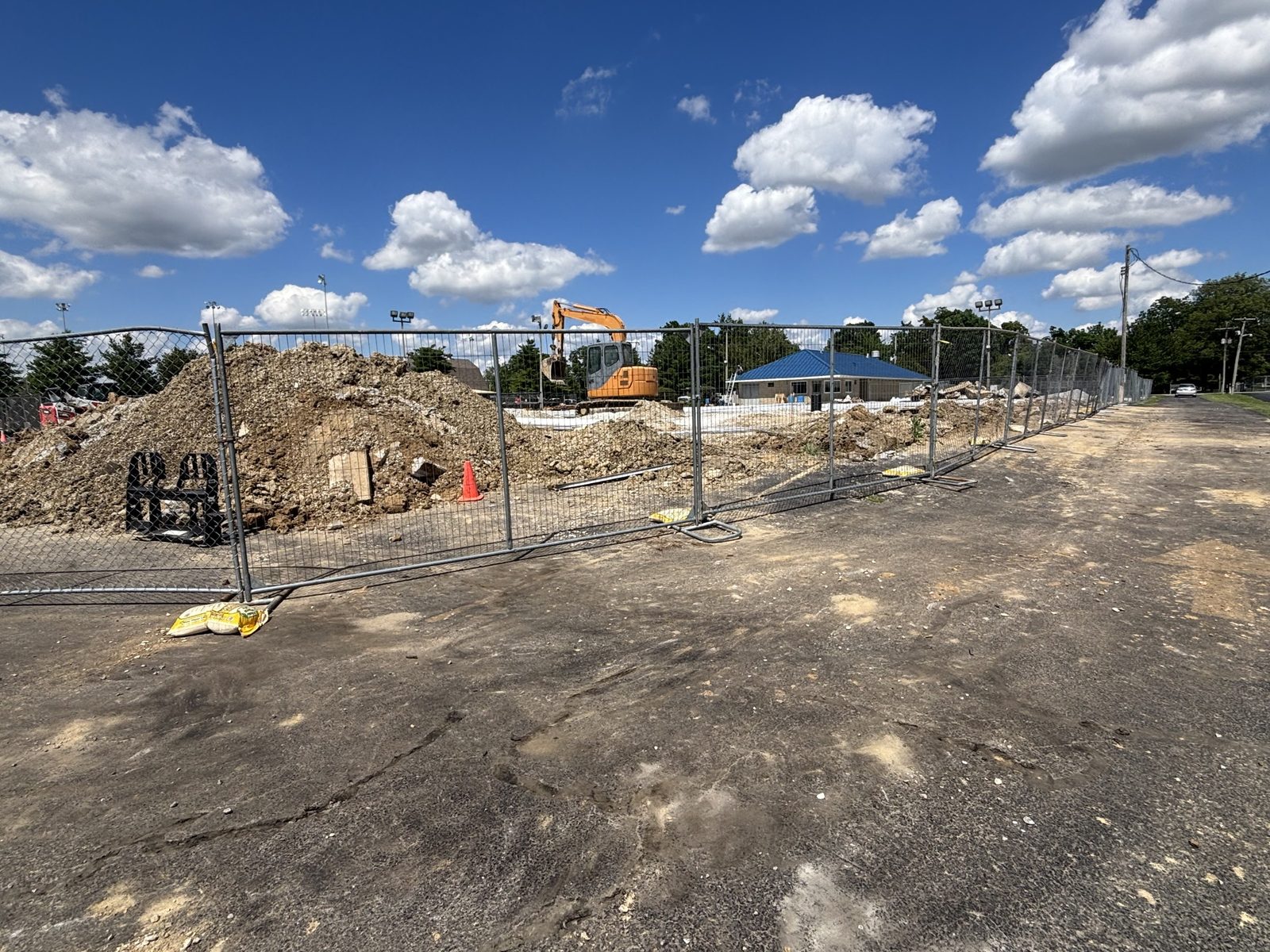
Groundwork moves faster than a site plan does. Panels let a superintendent open a new access point in the morning and close it again in the afternoon.
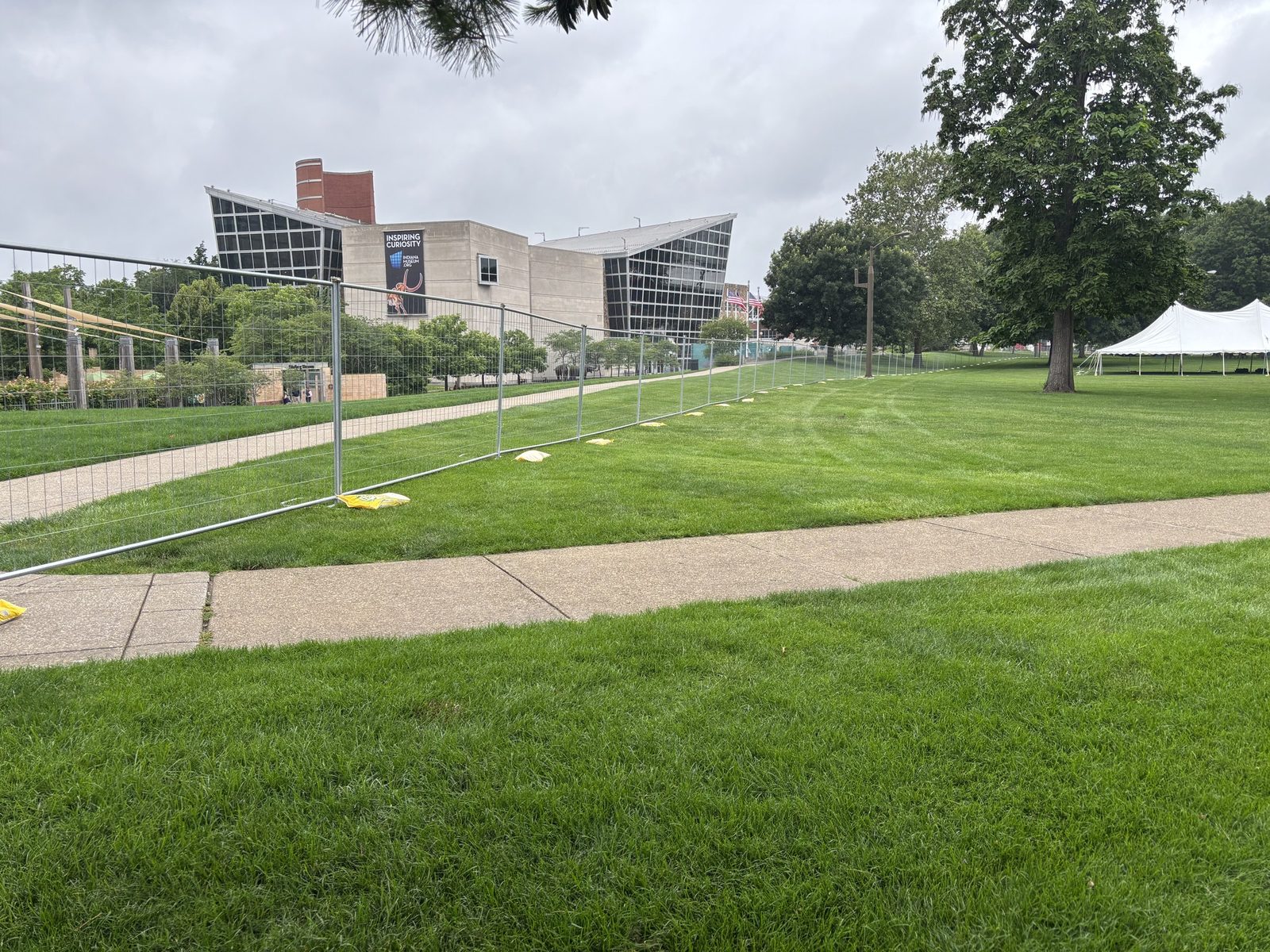
A panel run goes in during a load-in window and comes out during load-out, which is the only schedule an event fence can actually keep.
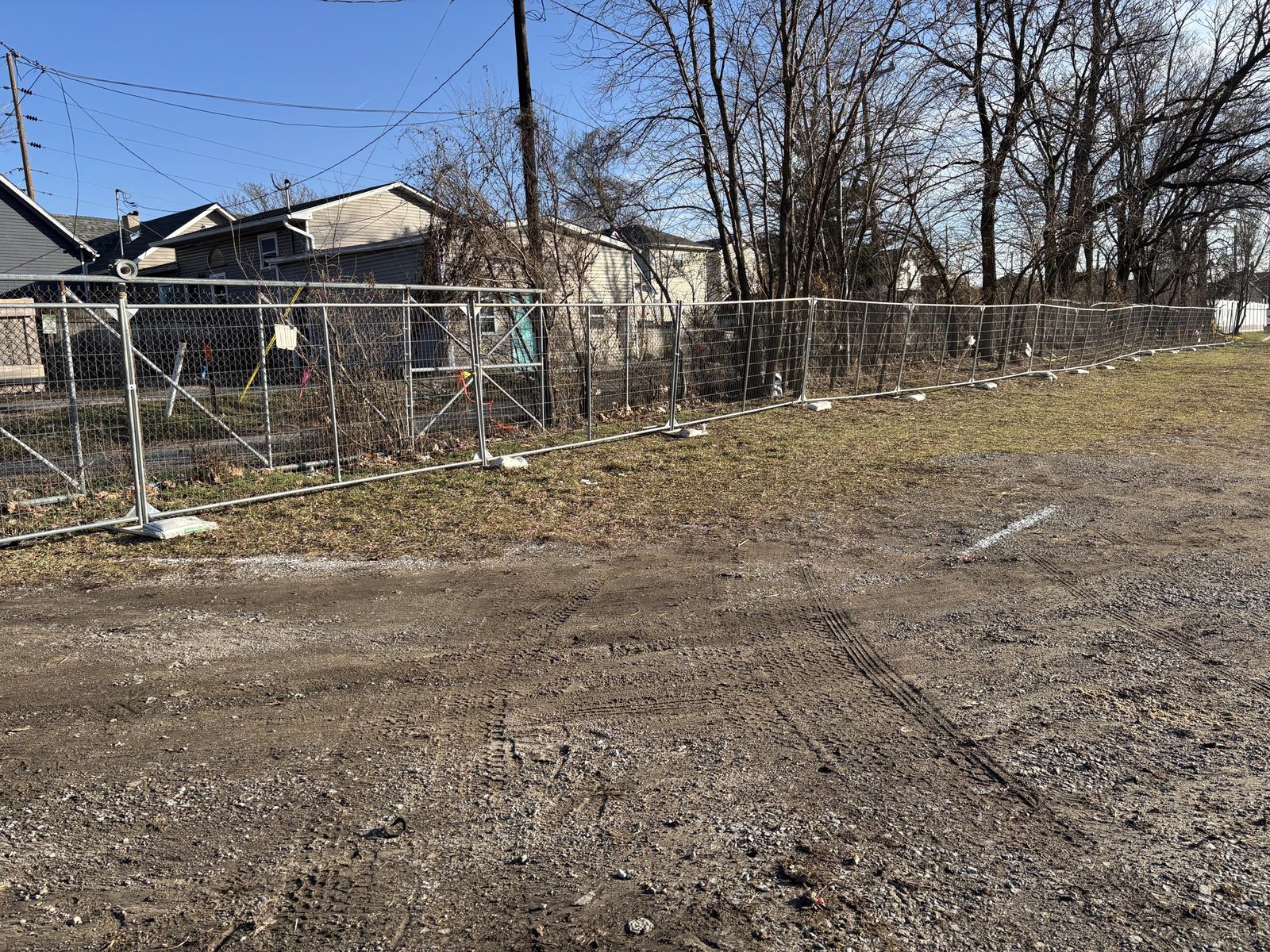
On day one nobody has a measured plan. Panels get a perimeter closed now and can be adjusted once the site has been assessed properly.
Questions
What buyers ask before they order this one, including the jobs it's the wrong answer to.
Eight-foot panels and stands are a special order, as is eight-foot post-driven chain link. Six-foot is the standard. If the job needs the extra height, tell us early and we will confirm availability when we quote.
Yes, and most of them do. That portability is the reason to choose panels over a driven fence. If a whole run needs relocating rather than a section, call us and we will come out, same day for general contractors.
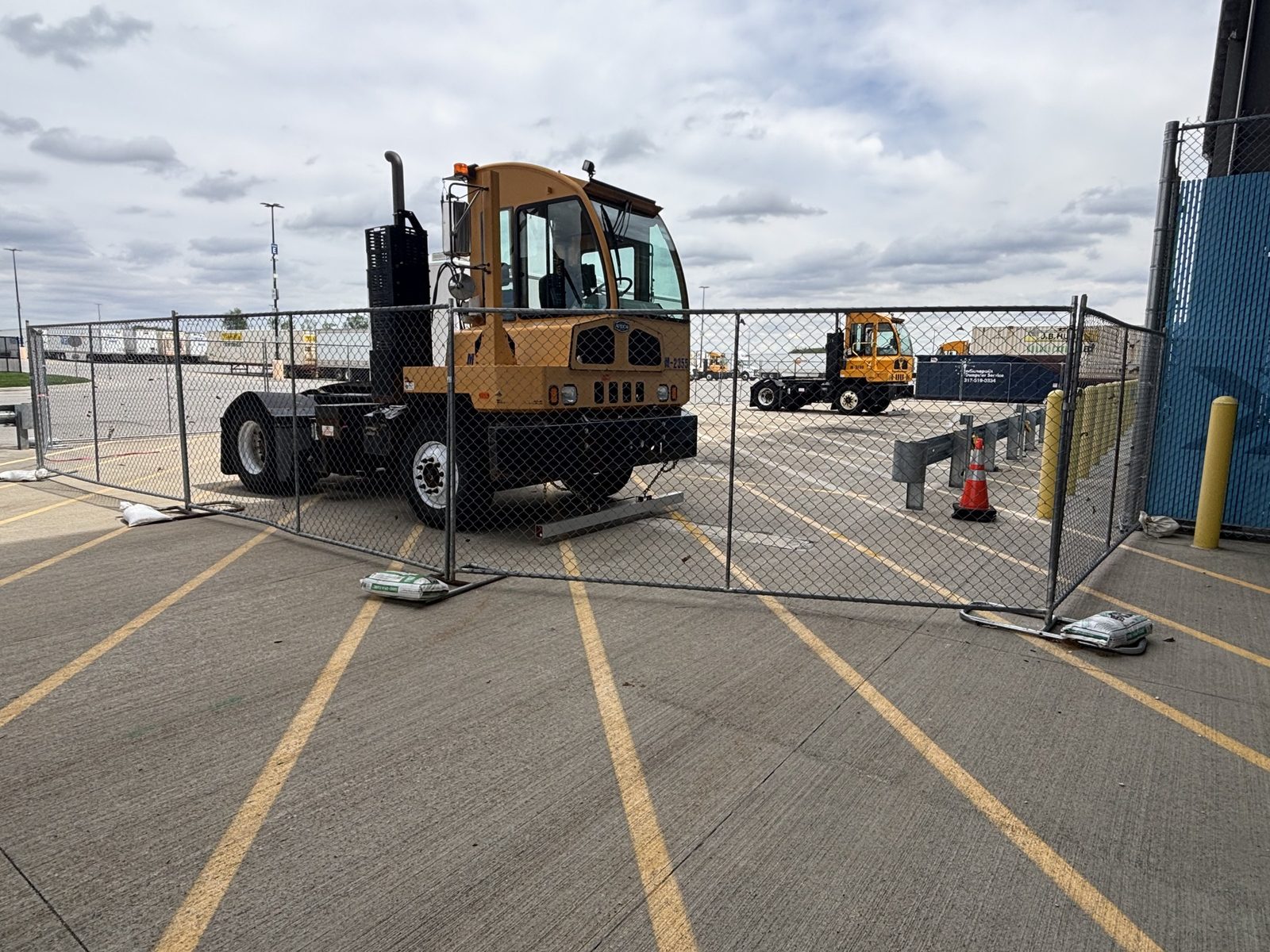
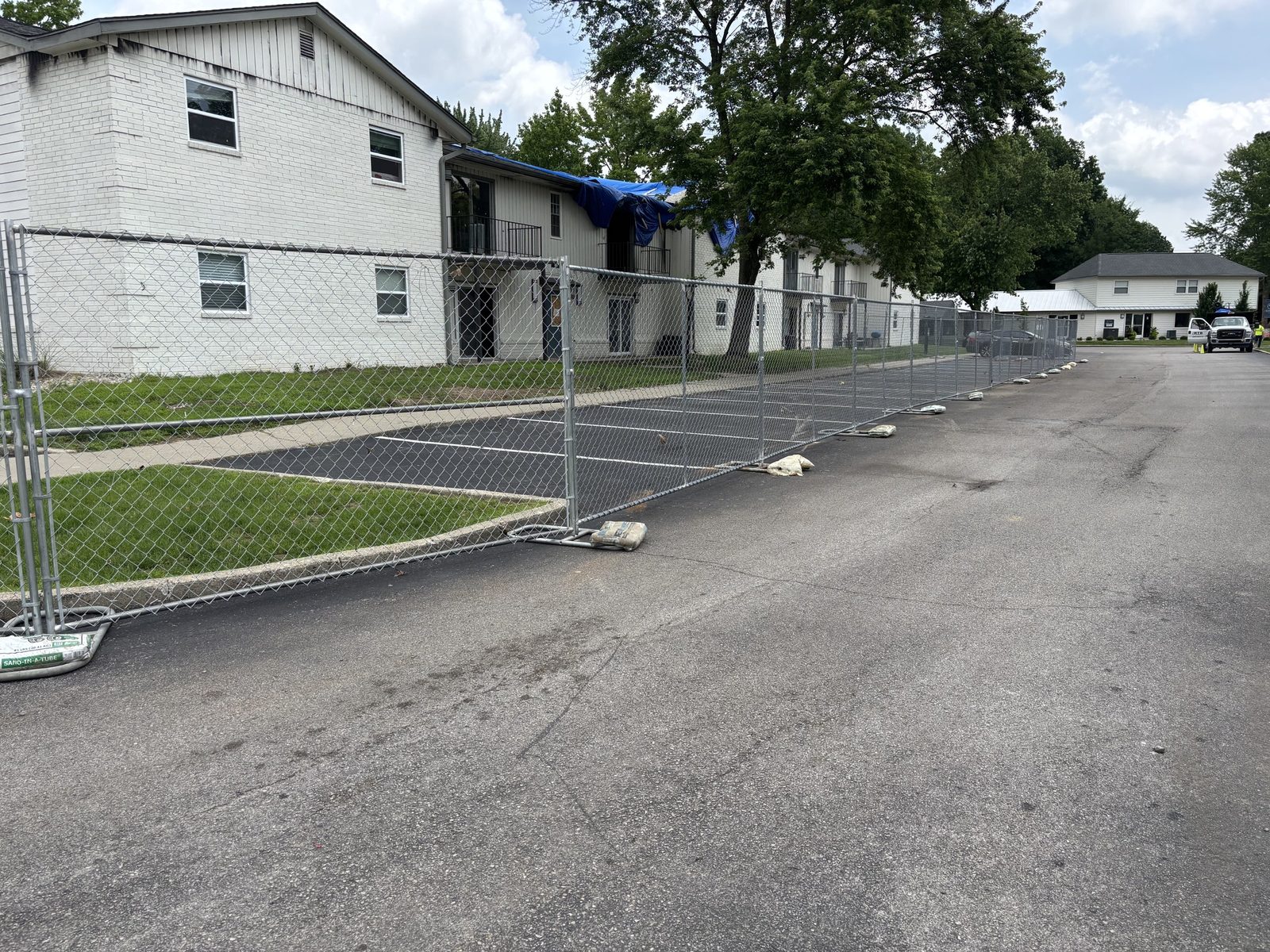
Yes, and this is usually the deciding factor. The panels sit in stands weighted with sandbags rather than in the ground, so a paved lot, a plaza or a downtown sidewalk is no obstacle at all.
Sandbagged stands are what hold the line, so the honest answer is that it depends on how many bags are on it and whether windscreen is fitted. Windscreen turns a fence into a sail and changes the answer, which is why we ask about it when we price the run rather than after.
Yes. Windscreen fits across an existing run for privacy and dust control, plain or custom printed. It's sold rather than rented, so it stays yours when the fence goes back.
Often it isn't. Panels are portable by design, which means someone determined can move them too. Where the perimeter has to resist being walked through, post-driven chain link is the honest recommendation, and we will say so on the call.
Get a quote
Five answers and Richard can price it. He takes every inquiry himself.
 Rather talk it through?(317) 296-4015Richard answers his own phone, 7 days
Prefer to price it yourself? Draw your fence on a map →